So your dog won’t stop barking? Yep, I’ve been there. You love your pup to bits, but sometimes it feels like they’ve mistaken your living room for Madison Square Garden and every passing squirrel is an audience member. Constant barking can make you frustrated, embarrassed, and maybe even a little desperate. But don’t worry—you’re not alone, and yes, you can absolutely fix this.
Today, I’ll walk you through exactly how to get a dog to stop barking, in a way that actually works (and doesn’t make you feel like the villain in your own home).
This post contains affiliate links. Meaning I may obtain a comission if your purchase items through some of the links on the page at no additional cost to you.
Why Dogs Bark in the First Place
Before we jump into the “how,” let’s talk about the “why.” Because honestly, yelling at your dog without understanding why they bark is like telling a baby to just “chill.” Spoiler alert: it doesn’t work.
Dogs bark to communicate. The trick is figuring out what they’re trying to say. Some common reasons include:
- Territorial barking – “Hey stranger, get off my lawn!”
- Alert barking – The Amazon driver is here… again.
- Boredom – Yep, dogs get bored too, and their version of Netflix binging is barking at the wall.
- Anxiety or fear – Separation anxiety can turn your pup into a nonstop noise machine.
- Attention seeking – Basically the canine equivalent of a toddler yelling “Look at me!”
Ever notice your dog bark louder when you shout at them? That’s because they think you’re joining in. Fun, right?
Step 1: Rule Out Medical Issues
First things first: make sure your dog is healthy. Sometimes excessive barking can signal pain, discomfort, or cognitive decline in older dogs.
If your usually chill pup suddenly transforms into the neighborhood alarm system, book a quick vet check. It’s better to be safe (and save yourself hours of barking headaches).
Step 2: Train With Consistency (Yes, You Have to)
Okay, here’s the deal. Training works. But you have to be consistent. No half-hearted “shush” one day and then giggling because their little “woo-woo” bark was cute the next. Mixed signals confuse your dog and make the barking worse.
The golden rule? Reward quiet, not noise.
Here’s a simple method:
- Wait for your dog to bark.
- Let them bark once or twice.
- Say a firm, calm cue like “Quiet.”
- The second they stop (even for 2 seconds), reward them with a treat or praise.
- Repeat until they realize silence = reward.
It sounds simple, but it takes practice. And FYI, you’ll probably feel like you’re bribing them at first. You’re not—you’re teaching them a new skill. Big difference.
🧠 Want a smarter, easier way to train your dog?
👉 Try Brain Training For Dogs – a proven method to stop bad behavior by boosting your dog’s intelligence.
Step 3: Manage the Triggers
Want to know a little secret? Sometimes the easiest way to stop barking is to stop it before it starts.
Take a minute and think: what sets your dog off? Is it the mailman? The neighbor’s cat? Random shadows at 3 AM?
Now, manage those triggers:
- Close blinds if they bark at people walking by.
- Use white noise or calming music when you’re gone.
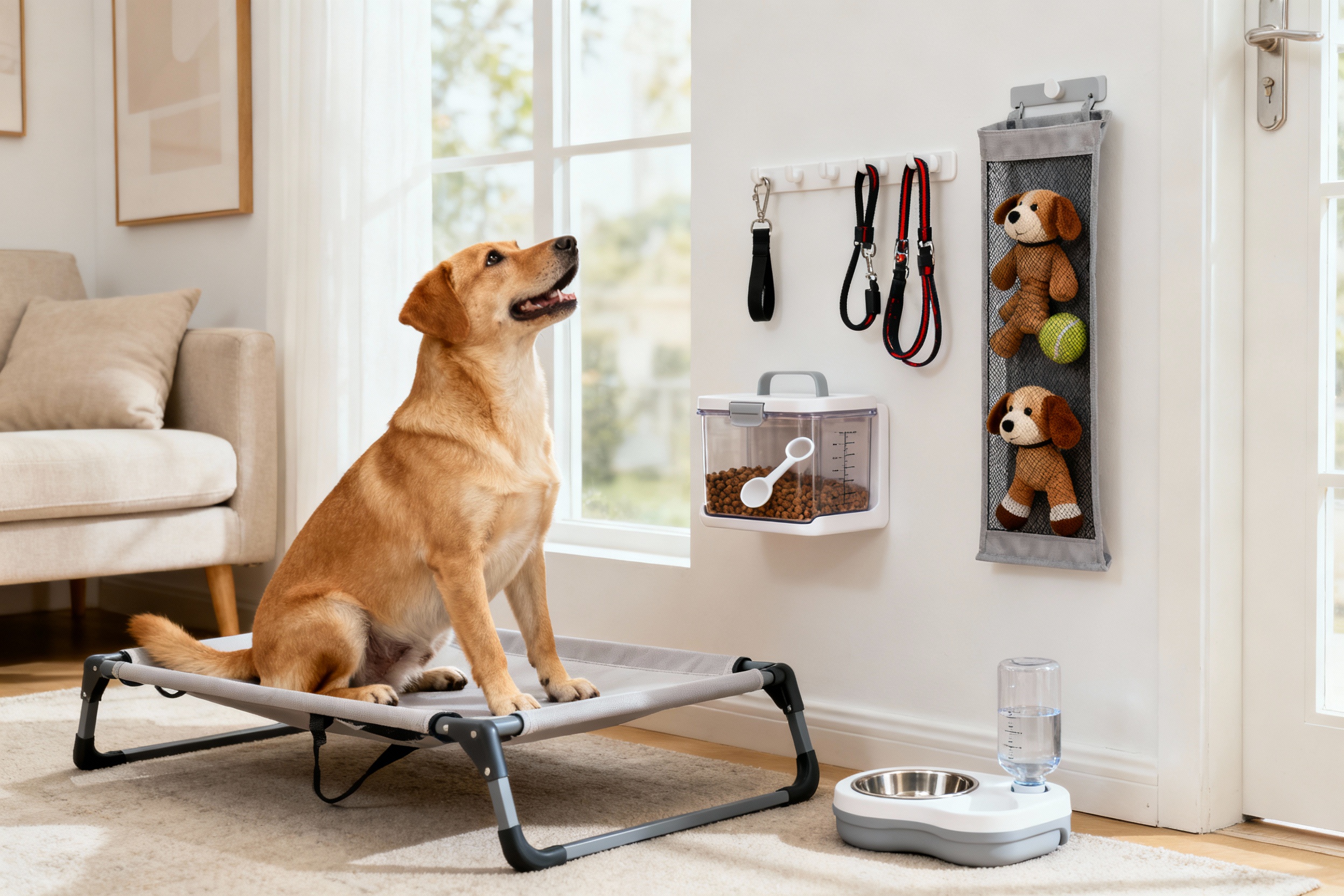
- Move their bed away from windows or doors.
- Give them something to chew on to distract them.
Think of it like child-proofing your house—but for noise.
Step 4: Tire Them Out (Because a Tired Dog = Quiet Dog)
Honestly, one of the easiest fixes is exercise. Dogs bark way more when they’re bored or have pent-up energy.
Take them for longer walks, add playtime, or try mental stimulation games like puzzle feeders. A tired dog is usually a happy (and quiet) dog.
Quick tip: sniffing walks are gold. Let your dog sniff around during a walk—it burns more mental energy than a fast-paced power walk. Plus, they love it.
✅ Brain Training For Dogs offers easy games and mental challenges that tire your dog out—without wearing you out.
Step 5: Teach Alternative Behaviors
Here’s the fun part: you can actually teach your dog to do something else instead of barking.
For example:
- Teach them to grab a toy when the doorbell rings instead of going nuts.
- Train them to go to their bed or crate on command.
- Reward sitting calmly when they’d normally bark.
Dogs love jobs. Give them one, and you’ll be amazed how much quieter they get.
Step 6: Don’t Accidentally Reward Barking
This one trips up a lot of owners (including me, once upon a time). When your dog barks, and you give them attention—yep, even yelling—that’s a reward.
Your dog thinks: “Oh sweet, I barked, and now Mom’s talking to me!”
Instead:
- Ignore attention-seeking barks.
- Reward silence instead.
- Stay calm, even if your neighbor looks ready to call the cops.
Trust me, consistency here pays off big time.
Step 7: Consider Training Tools (But Use Them Wisely)
Sometimes you need a little backup. But please, avoid harsh tools like shock collars. They can make anxiety and fear-based barking worse.
Safer options include:
- Clickers – Great for marking quiet moments during training.
- Ultrasonic devices – Some dogs respond well to these (others don’t).
- Anti-bark collars (vibration or spray) – Can work, but IMO, they should be a last resort.
My honest opinion? Training > gadgets. But in certain cases, tools can give you an extra edge.
👉 Try Brain Training For Dogs – a proven method to stop bad behavior by boosting your dog’s intelligence.
Step 8: Address Separation Anxiety
If your dog howls the minute you leave, barking might be tied to separation anxiety. This is less about noise and more about panic.
What helps:
- Start with short absences and build up slowly.
- Leave special toys or treats they only get when you’re gone.
- Try calming aids like diffusers or supplements.
- In severe cases, talk to a trainer or vet.
This one takes patience, but it’s fixable.
Ready to Go Deeper?
Want a smarter, more effective way to train your dog—and eliminate bad behaviors like chewing, barking, or jumping?
🎓 Try Brain Training For Dogs – a science-based program designed to boost your dog’s intelligence and create a well-behaved, calm companion.
🟢 100% online
🟢 Easy to follow
🟢 Works for all breeds & ages
👉 Click here to start transforming your dog today!
Step 9: Work With a Professional

Sometimes, DIY just isn’t enough. If you’ve tried everything and your dog still acts like a 24/7 alarm system, it might be time to call in backup.
A certified dog trainer or behaviorist can:
- Pinpoint exactly why your dog barks.
- Create a personalized training plan.
- Give you accountability so you don’t give up halfway.
And no, hiring a trainer doesn’t mean you “failed.” It means you’re serious about helping your pup (and keeping your neighbors from filing noise complaints).
If you would like to have a more hands on approah with a little more structure, consider Brain Training For Dogs – a proven method to stop bad behavior by boosting your dog’s intelligence.
Common Mistakes to Avoid
Let’s be real: sometimes we’re our dog’s worst enemy when it comes to barking. Here are a few traps to avoid:
- Yelling at them – They just think you’re barking too.
- Inconsistent rules – Don’t allow barking at one thing and scold them for another.
- Punishing fear barking – That only makes it worse.
- Giving in – If you hand over a treat or toy to stop barking, guess what they’ll do tomorrow?
Ever catch yourself saying, “Just this once”? Yeah, dogs don’t understand “once.”
Final Thoughts: Yes, You’ve Got This
Stopping barking isn’t about silencing your dog forever—it’s about teaching them when it’s okay and when it’s not. With patience, consistency, and a little creativity, you’ll get there.
Remember:
- Figure out the reason.
- Reward quiet, not noise.
- Exercise, train, and manage triggers.
- Get professional help if you need it.
And hey, if your dog still barks occasionally, that’s normal. They’re dogs, not monks. 😉
So take a deep breath, grab some treats, and start small. Before you know it, you’ll go from “Please stop!” to “Wow, I actually love how calm my dog is.”
Tools That Help Big Time
You don’t need fancy gadgets, but these tools make life easier:
- Clicker: Sharp sound = clear communication.
- Small treats: Think pea-sized, not cheeseburger-sized.
| Product | Why It’s Great | Link |
|---|---|---|
| 🦴 Pet Training Clicker with Wrist Strap | Big button for easy clicking and loud sound | Buy on Amazon |
| Pouch Training Rewards | bite-sized treats are the perfect size for training and every day treating | Buy on Amazon |
Need More indepth dog training? Then check out Brain Training For Dogs, a great training system that promises to improve your dogs intelligence and eliminate bad behaviour. CLICK HERE TO LEARN MORE.





Leave a Reply