Small dogs aren’t just big dogs in fun-size packaging. They have tiny tummies, fragile joints, and a talent for escaping anything that isn’t designed with them in mind. If your little gremlin runs your household (same), you need gear that actually fits and protects them.
Let’s break down the small dog must-haves that make life easier, safer, and way more fun.
Dialed-In Fit: Collars, Harnesses, and ID

Small dogs can slip out of gear faster than you can say “treat.” The right fit matters more than anything.
Harnesses That Protect Tiny Necks
You want a harness that keeps pressure off the neck and spreads it across the chest. Look for:
- Step-in or Y-shaped designs that prevent choking
- Lightweight hardware so you don’t weigh them down
- Adjustable straps at multiple points for a snug-but-comfy fit
FYI: Avoid bulky “no-pull” harnesses with harsh front clips for ultra-tiny pups. Those can twist small bodies awkwardly.
Collars for Tags Only
Use a collar for ID and style, not for leash walking.
Choose:
- Breakaway or lightweight buckles for safety
- Soft, narrow webbing that won’t rub delicate skin
- Custom ID tags with your number and a “needs meds” note if applicable (little dogs get lost too!)
Food, Water, and Tiny Tummies
Small breeds burn energy fast and deal with blood sugar dips. Their kibble size and feeding schedule matter.
Right-Sized Bowls and Feeders
Pick dishes that match their face and whiskers:
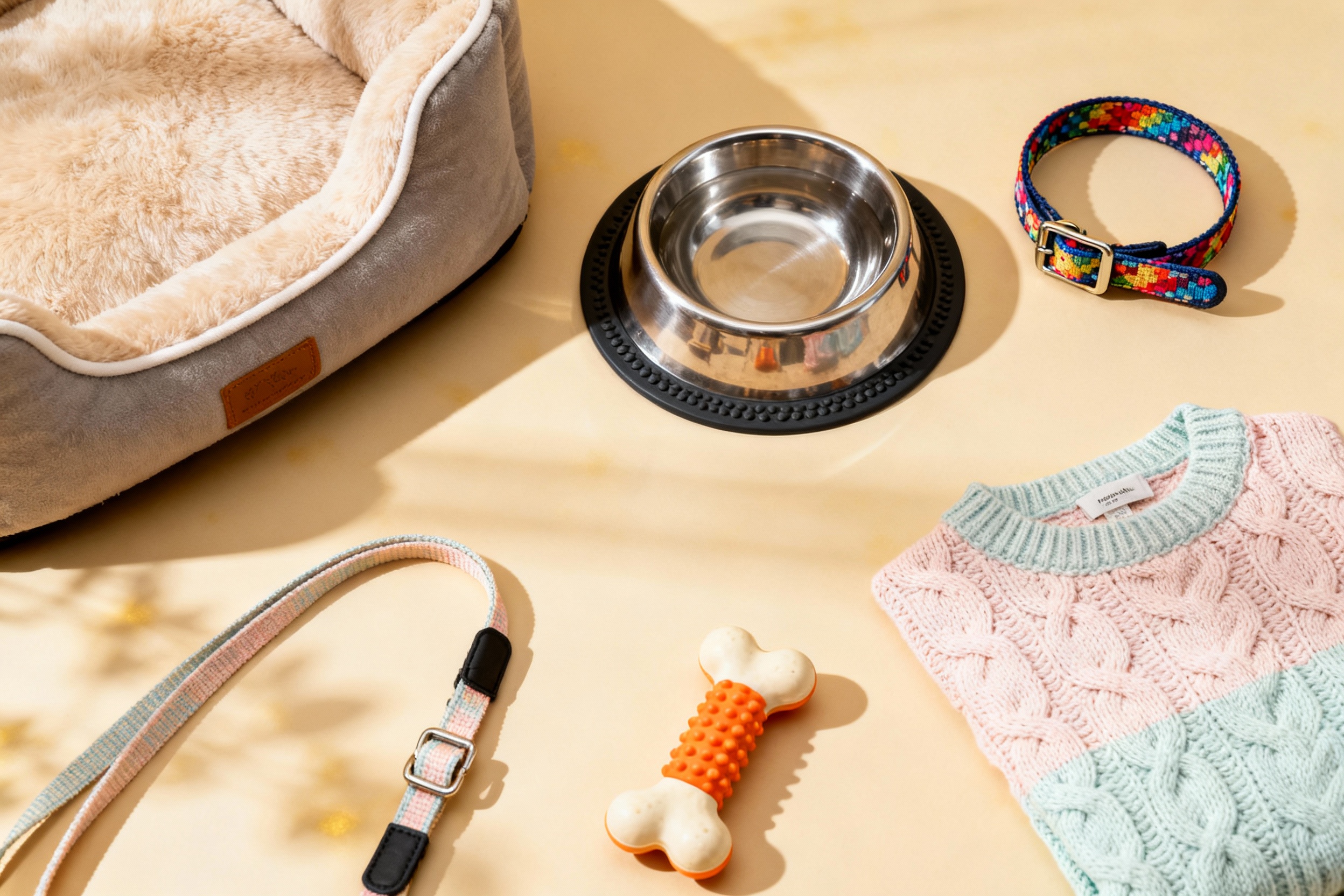
- Shallow stainless-steel bowls to protect whiskers and avoid chin acne
- Non-slip bases so the bowl doesn’t moonwalk across your kitchen
- Elevated stands for brachycephalic pups (pugs, Frenchies) to help them breathe and eat comfortably
Food That Doesn’t Overwhelm
Choose small-bite formulas and balance calories with protein. Many tiny dogs do best with:
- Small-kibble dry food to prevent choking
- High-quality wet food for picky eaters or dental issues
- 3–4 small meals a day for toy breeds prone to hypoglycemia
IMO, an automatic micro-feeder is clutch if your schedule changes a lot.

Warmth, Comfort, and A+ Nap Gear
Small dogs lose heat quickly and love to burrow like they’re returning to the mothership.
Beds That Hug, Not Flatten
Look for beds that feel like a cozy donut:
- Bolstered sides for head support and security
- Memory foam or dense fill that won’t pancake in a month
- Removable, washable covers because small dog + big attitude = occasional messes
Blankets and Heating Pads
A self-warming mat or low-heat pad can be a game-changer, especially for seniors or short-haired pups.
Just ensure:
- Chew-resistant cords or cord-free designs
- Temperature regulation with a cover between the pad and your dog
They’ll thank you by snoring louder than a grown man.
Walking, Adventure, and Safety Outside
Tiny dogs need fresh air too, but weather and pavement don’t care how cute they are.
Coats and Sweaters That Actually Fit
Pick layers made for their shape:
- Light fleece or knit for cool days, insulated coats for cold climates
- Tailored chest panels so males don’t “miss” (you know what I mean)
- Harness-compatible openings so you don’t stack gear
Paw Protection
Salt, ice, and hot sidewalks hurt. Try:
- Rubber booties for quick trips
- Velcro boots with flexible soles for longer walks
- Paw balm if your dog says “nope” to shoes
Car and Travel Safety
Never let a small dog ride loose. Consider:
- Crash-tested car seats that clip to a harness
- Soft-sided carriers with airflow for errands or public transit
- Seat belt tethers that attach to harnesses (not collars!)

Play, Enrichment, and Tiny Teeth
Yes, they nap a lot.
But they also have zoomies at 9 p.m. every night. Give them the right outlets.
Small-Dog-Safe Toys
Keep it light, squeaky, and chewable:
- Mini plush toys for fetch and comfort
- Soft rubber chew toys scaled for tiny jaws
- Flat tug toys to avoid neck strain
Avoid heavy balls and oversized ropes. Your living room doesn’t need a slingshot event.
Puzzle Feeders and Slow Bowls
Small brains, big IQ.
Keep them sharp:
- Level 1–2 puzzle toys to start, then level up
- Snuffle mats for nose work and slow feeding
- Slow feeder bowls for vacuum-eaters
FYI: Food-based enrichment beats another lap around the coffee table.
Health, Grooming, and Everyday Care
Small dogs often live longer, which means consistent care pays off big time.
Dental Care Without Tears
Tiny mouths mean crowded teeth. Commit to:
- Daily brushing with enzymatic dog toothpaste
- Dental gels or water additives if you’re short on time
- VOHC-approved chews sized for toy breeds
Gentle Grooming Tools
Their skin and coats need TLC:
- Soft slicker brush for tangles
- Undercoat rake for double-coated minis (Poms, Chis with double coats)
- Nail grinder for stress-free trims
- Hypoallergenic wipes for paws and faces between baths
Supplements That Make Sense
Ask your vet first, but many small dogs benefit from:
- Omega-3s for skin and joints
- Probiotics for sensitive tummies
- Glucosamine for seniors or breeds prone to luxating patellas
IMO, a monthly pill organizer for dogs is underrated.
Home Setup: Gates, Steps, and “Don’t Jump!”
Small bodies, big consequences. Protect those joints and your sanity.
- Pet stairs or ramps to reach couches or beds—train them to use it every time
- Freestanding gates to block risky stairs or doors
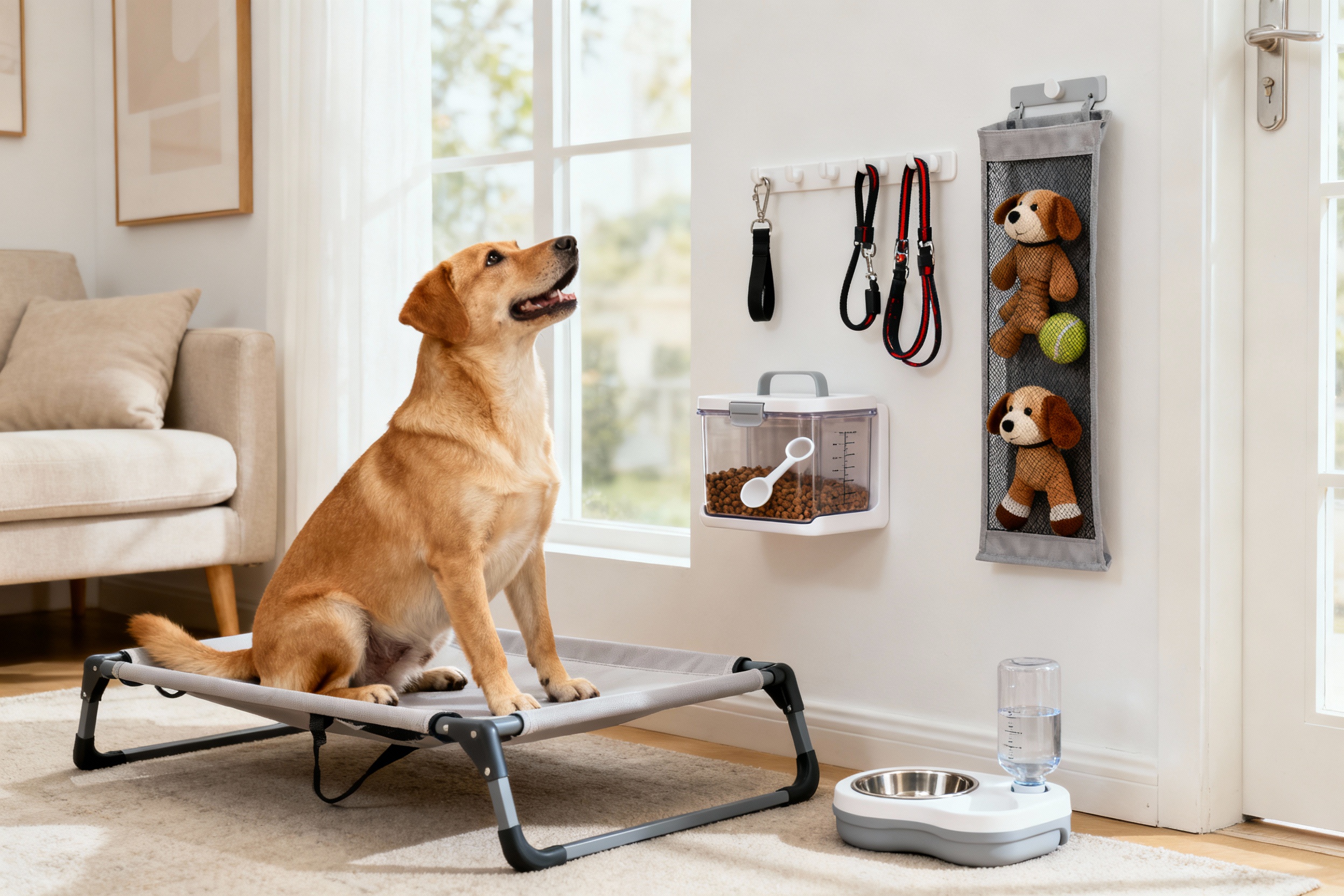
- Window perches so they can supervise the neighborhood with dignity
- Playpens for safe downtime and potty training
If your dog launches off furniture like a parkour athlete, ramps are a non-negotiable.
Training Essentials for Tiny Bosses
We love the attitude, but boundaries help small dogs feel safe.
- Tiny, soft training treats you can deliver fast without overfeeding
- Clicker or marker word to speed up learning
- Mat training for calm settling anywhere
- Crate or carrier training for travel and vet visits
Pro tip: Teach a strong “wait” at doors.
Small dogs slip out quietly and run fast.
FAQ
Do small dogs really need sweaters?
Short answer: often, yes. Tiny dogs have less body mass and lose heat faster, especially if they’re short-haired or older. A lightweight sweater indoors on cold days or a proper coat outside keeps them comfortable and more willing to walk.
How often should I feed a toy breed?
Feed 3–4 small meals a day, especially for puppies or breeds prone to hypoglycemia.
If your schedule varies, use a programmable feeder to keep things consistent. Small, frequent meals beat one big serving for these guys.
What’s the safest way to walk a small dog?
Use a well-fitted harness and a lightweight 4–6 foot leash. Skip retractables—too much whiplash risk.
Keep your dog on your “inside” when passing big dogs or traffic, and carry them if a situation looks sketchy.
How do I prevent my small dog from jumping off furniture?
Teach “use the ramp” like it’s a trick. Reward every time they go up or down correctly. Block jump zones with cushions at first, and be consistent—don’t let the rules slide on “just this once.”
What toys are safest for tiny chewers?
Choose toys labeled for small or toy breeds.
Aim for soft rubber, plush with reinforced seams, and mini balls that can’t fit entirely in their mouth. Always supervise new toys and retire anything torn or shedding pieces.
Do small dogs need different grooming tools?
Usually, yes. Their coats and skin are more delicate, so go with softer brushes, smaller nail grinders, and mild shampoos.
Keep grooming sessions short and frequent so they don’t turn into wrestling matches.
The Bottom Line
Small dogs come with outsized personalities and very specific needs. Get the gear that fits their bodies, supports their joints, and keeps them warm, identifiable, and enriched. With the right setup, your little co-pilot lives safer, happier, and more confidently—and you get fewer panic moments.
Win-win.





Leave a Reply