Introduction
So, you brought home a new puppy—congrats! 🎉 You’re probably soaking up all the cuteness while also realizing… this little fluff ball is basically a tornado on four legs. Between the chewing, the whining, and the potty “oopsies,” you might already feel like you’re in over your head. Been there, trust me.
Here’s the thing: crate training is the unsung hero of puppy parenting. Done right, it saves your shoes, your carpets, and your sanity. Done wrong, well… let’s just say you’ll both end up frustrated. That’s why I’ve put together this crate training cheat sheet—so you can skip the rookie mistakes and get results faster.
Let’s break it down, step by step, in plain English (with a little humor sprinkled in, because we both need it).
Affiliate Disclosure:
This post may contain affiliate links. If you click on these links and make a purchase, I may earn a small commission at no additional cost to you. Thank you for supporting this blog!
Why Crate Training Works
Ever wondered why crates are so effective? It’s not because puppies love jail (shocking, I know). It’s because crates tap into their natural instincts.
Here’s why crates work:
- Dogs don’t like to potty where they sleep.
- A crate creates a cozy, den-like space that makes them feel safe.
- It prevents destructive “unsupervised adventures” (a.k.a. your favorite couch becoming a chew toy).
Think of the crate as your puppy’s bedroom, not a prison. If you set it up right, your pup will actually choose to hang out there.
Step 1: Pick the Right Crate
Not all crates are created equal. The wrong one can make training harder.
Types of crates:
- Wire crates: Great for ventilation and visibility. Foldable for storage.
- Plastic crates: Cozy and enclosed. Awesome for travel.
- Furniture-style crates: Double as decor (if you don’t want your living room looking like a kennel).
Size matters (a lot):
Your puppy should be able to stand, turn, and lie down comfortably—but not have room to throw a party. Too much space = accidents.
Pro tip: If you have a large-breed puppy, get a crate with a divider panel. Adjust the size as they grow, so you don’t have to buy three different crates.
🧠 Want a smarter, easier way to train your dog?
👉 Try Brain Training For Dogs – a proven method to stop bad behavior by boosting your dog’s intelligence.
Step 2: Make the Crate Inviting
Would you want to hang out in a cold, empty box? Didn’t think so.
How to cozy it up:
- Add a soft bed or blanket (unless your pup thinks shredding fabric is a fun hobby).
- Toss in a few safe chew toys.
- Cover part of the crate with a light blanket for that “den” vibe.
Pro tip: Use a long-lasting chew (like a stuffed Kong) when introducing the crate. Puppies associate the crate with good stuff instead of “ugh, Mom left again.”
Step 3: Introduce the Crate Slowly
Don’t shove your puppy inside and slam the door. That’s a one-way ticket to crate hatred.
Instead:
- Leave the crate open and toss treats inside.
- Let your puppy explore at their own pace.
- Feed meals in the crate with the door open at first.
This gradual introduction builds trust. Your puppy learns, “Hey, this little cave = awesome things.”
Step 4: Start with Short Sessions
Once your pup is comfortable going in and out, start closing the door for a few minutes. Stay nearby so they don’t panic.
Tips for short sessions:
- Increase crate time gradually.
- Use positive reinforcement when they stay calm.
- Never open the crate when your puppy whines—wait for a quiet moment first.
Ever wondered why people complain their dogs cry in the crate? Nine times out of ten, it’s because the dog learned that whining = freedom. Don’t fall into that trap.
Need More indepth dog training? Then check out Brain Training For Dogs, a great training system that promises to improve your dogs intelligence and eliminate bad behaviour. CLICK HERE TO LEARN MORE.
Step 5: Create a Crate Training Schedule
Consistency is everything. Without a schedule, crate training becomes a guessing game.
Sample daily crate schedule for a young puppy:
- Morning: Potty break → breakfast in crate → short crate session.
- Midday: Playtime → potty break → crate nap.
- Afternoon: Training/play → potty break → crate downtime.
- Evening: Dinner in crate → play → final potty break → crate for bedtime.
Golden rule: Always give a potty break before and after crate time. Puppies can’t “hold it” for long, so set them up for success.
Step 6: Use the Crate for Potty Training
This is where the crate really shines. Puppies naturally avoid soiling their sleeping area, so the crate helps build bladder control.
Potty training + crate = dream team:
- Take your pup straight outside after crate time.
- Reward immediately when they go potty.
- Extend crate times as your puppy grows.
FYI: A 2-month-old puppy can usually hold it for about 2 hours. Add one hour for each month of age, up to about 6 hours max.
Step 7: Nighttime Crate Training
Nighttime with a puppy feels like parenting a newborn. You’ll wake up for potty breaks, but the crate helps them settle back down quickly.
Nighttime tips:
- Keep the crate in your bedroom at first. Your puppy feels safe near you.
- Set an alarm for a middle-of-the-night potty break.
- Don’t turn it into playtime. Out → potty → back to bed.
Eventually, your puppy will sleep through the night. Until then, keep the coffee stocked.
Step 8: Common Crate Training Mistakes to Avoid
Want to sabotage crate training? Here’s how (don’t do these):
- Using the crate as punishment. Your puppy should see it as a safe space, not “time-out.”
- Leaving them too long. Puppies can’t hold it all day. Use dog walkers or puppy sitters if needed.
- Caving to whining. Remember: quiet earns freedom, whining doesn’t.
- Skipping exercise. A tired puppy = a calm crate experience.
I once tried to crate my puppy after skipping her evening playtime. Rookie mistake. She howled like a wolf for half an hour. Lesson learned: exercise first, crate second.
Step 9: Crate Training for Separation Anxiety
Some puppies panic when left alone. Crate training can help, but it’s not a cure-all.
Tips if your pup struggles with alone time:
- Practice leaving for short periods and build up gradually.
- Leave a chew toy or stuffed Kong to keep them busy.
- Keep comings and goings low-key (no dramatic “Mommy loves you!” exits).
Patience is key here. You’re teaching your puppy that the crate = chill zone, not abandonment.
Step 10: Graduating from the Crate
Crates aren’t forever (unless you want them to be). As your puppy grows and proves trustworthy, you can give them more freedom.
Signs your pup can handle more space:
- No accidents in the crate.
- No destructive chewing when supervised.
- They choose to nap in the crate even when the door’s open.
Some dogs keep their crate for life because they love it. Others outgrow it once they’re fully trained. Either option is fine—your dog will tell you what works.
Tools That Make Crate Training Easier
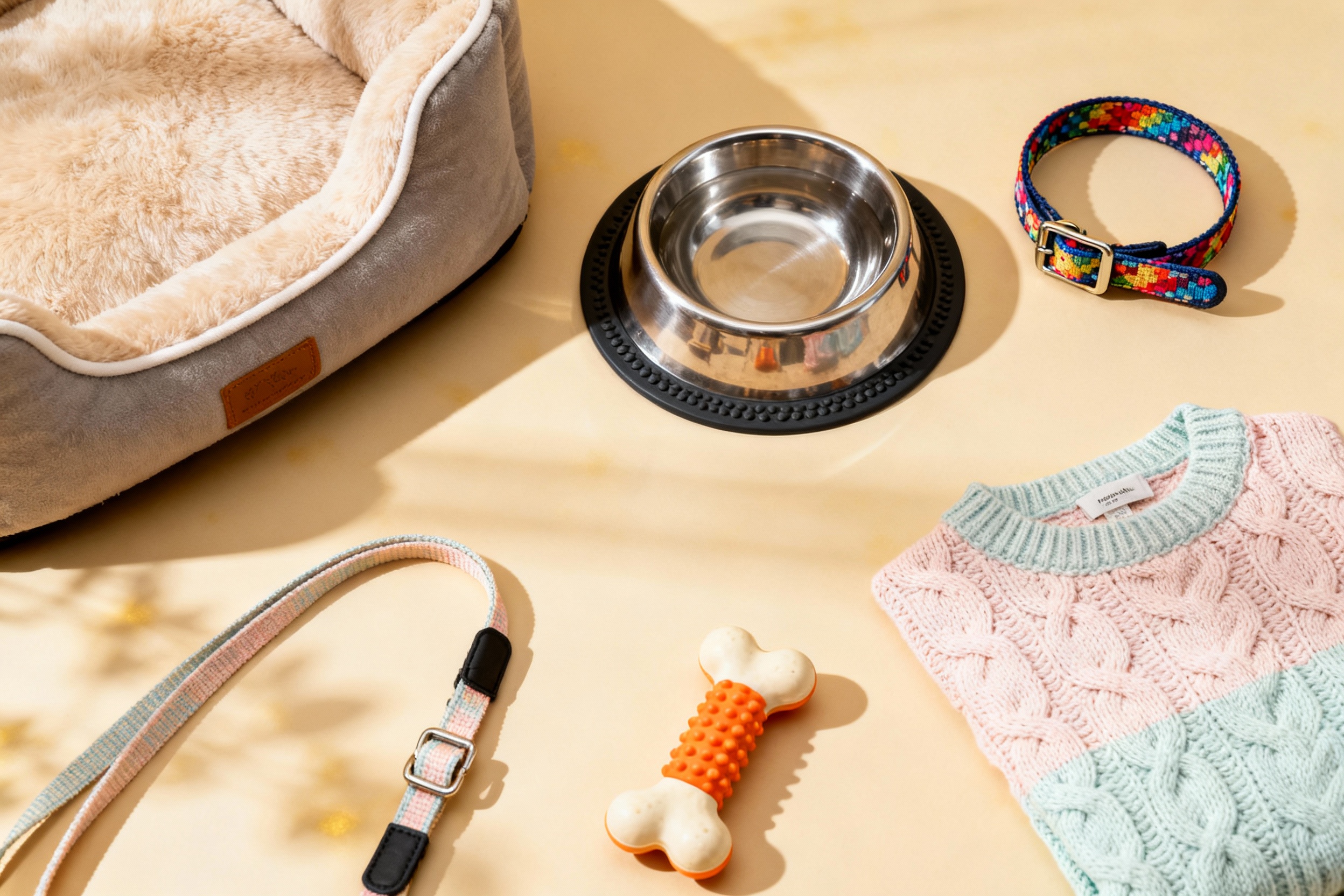
Let’s be real: the right gear makes this whole process smoother.
- Divider panels: Adjust crate size as your puppy grows.
- Washable beds: Accidents happen—easy cleaning is a lifesaver.
- Enzyme cleaners: Remove all scent from potty accidents.
- Interactive toys: Keep your pup entertained during crate time.
- Cover or blanket: Helps create a cozy den feel.
I personally love Kongs. Stuff one with peanut butter and freeze it—you’ll get at least 20 minutes of peace while your puppy works on it.
How Long Does Crate Training Take?
Here’s the honest answer: it depends. Some puppies catch on in a week, others take a few months.
Factors that affect timing:
- Age (younger pups take longer).
- Breed (some are naturally more stubborn).
- Consistency (yours, not theirs).
The good news? With daily practice and patience, you’ll see progress. Crate training is a marathon, not a sprint.
Final Thoughts
So there you have it—your ultimate puppy crate training cheat sheet. From picking the right crate to creating a schedule, rewarding calm behavior, and avoiding the common traps, you’re now set up for success.
Will it be perfect every day? Nope. Your puppy will whine, you’ll question your life choices, and you might even Google “can puppies survive without crates” at 2 a.m. (guilty 🙋♀️). But stick with it, and soon the crate will feel like a lifesaver, not a struggle.
Because here’s the truth: a crate-trained puppy = a happier, calmer, easier-to-manage dog. And honestly? That’s every new owner’s dream. 🐾
Ready to Go Deeper?
Want a smarter, more effective way to train your dog—and eliminate bad behaviors like chewing, barking, or jumping?
🎓 Try Brain Training For Dogs – a science-based program designed to boost your dog’s intelligence and create a well-behaved, calm companion.
🟢 100% online
🟢 Easy to follow
🟢 Works for all breeds & ages
👉 Click here to start transforming your dog today!





Leave a Reply