Introduction
So you just brought home a puppy—cue the squeals, the puppy breath, and the urge to take a million pictures. 🐶 It’s exciting, but let’s be honest: it’s also a little overwhelming. Your new best friend is adorable, but they’re also basically a baby with fur, teeth, and zero regard for your sleep schedule.
The first 24 hours with a new puppy set the tone for everything that comes after. Nail this part, and you’ll make potty training, crate training, and bonding way easier. Mess it up, and… well, let’s just say you’ll have some messy carpets and frayed nerves.
I’ve been there—sleep-deprived, armed with paper towels, wondering if I made a huge mistake. Spoiler: I didn’t, and neither did you. Let’s walk through exactly what you should do during those first hours so you and your pup start strong.
Affiliate Disclosure:
This post may contain affiliate links. If you click on these links and make a purchase, I may earn a small commission at no additional cost to you. Thank you for supporting this blog!
Prep Before You Bring Your Puppy Home
Think of this like baby-proofing but for a tiny, four-legged chewing machine.
Puppy-Proof Your Space
Your new pup will explore with their mouth. That means:
- Hide electrical cords.
- Pick up small objects (socks, Legos, earrings—yes, they’ll try to eat them).
- Block off rooms you don’t want them in yet.
Pro tip: baby gates work wonders. I once used laundry baskets as makeshift gates. Did it look ridiculous? Absolutely. Did it work? Also yes.
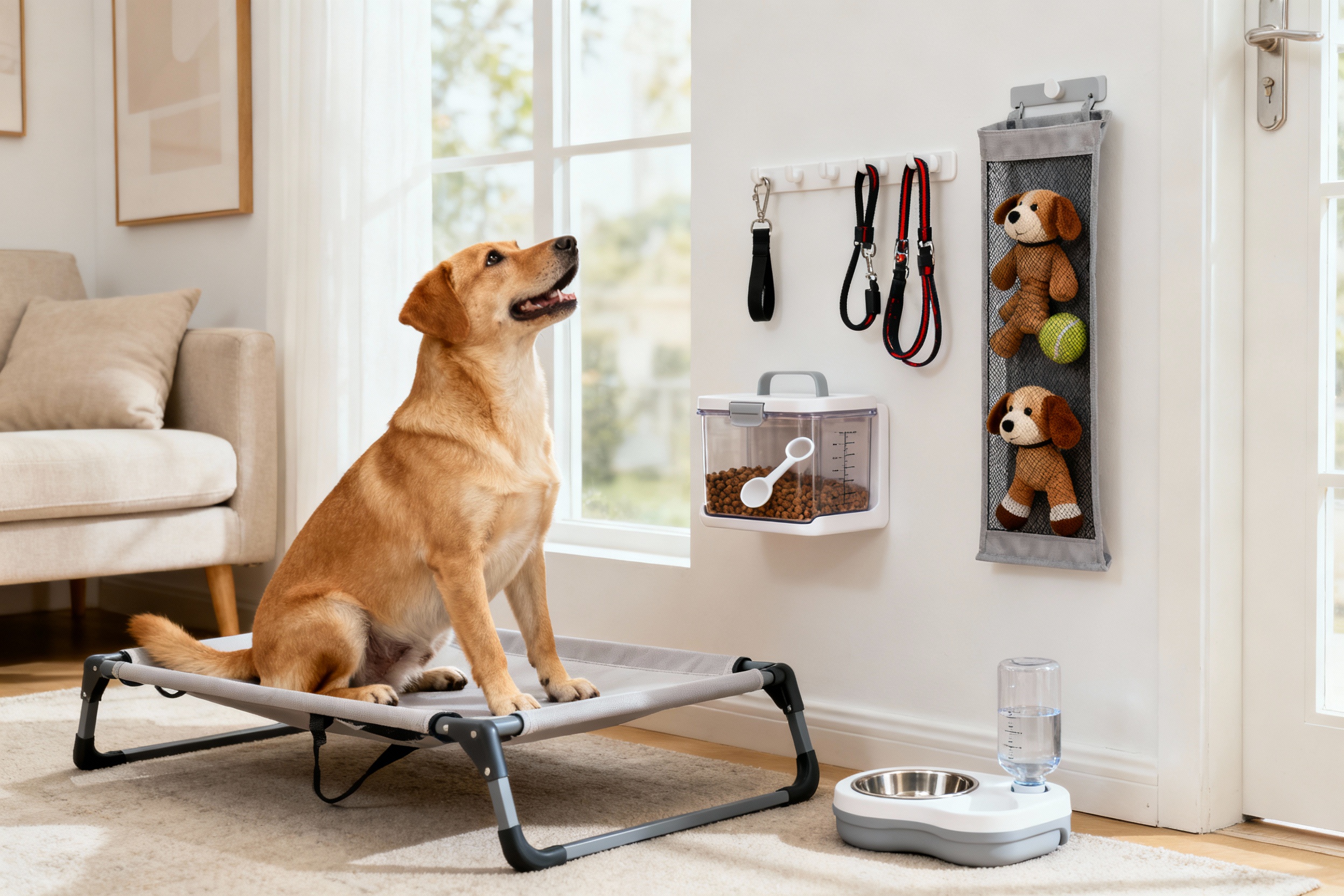
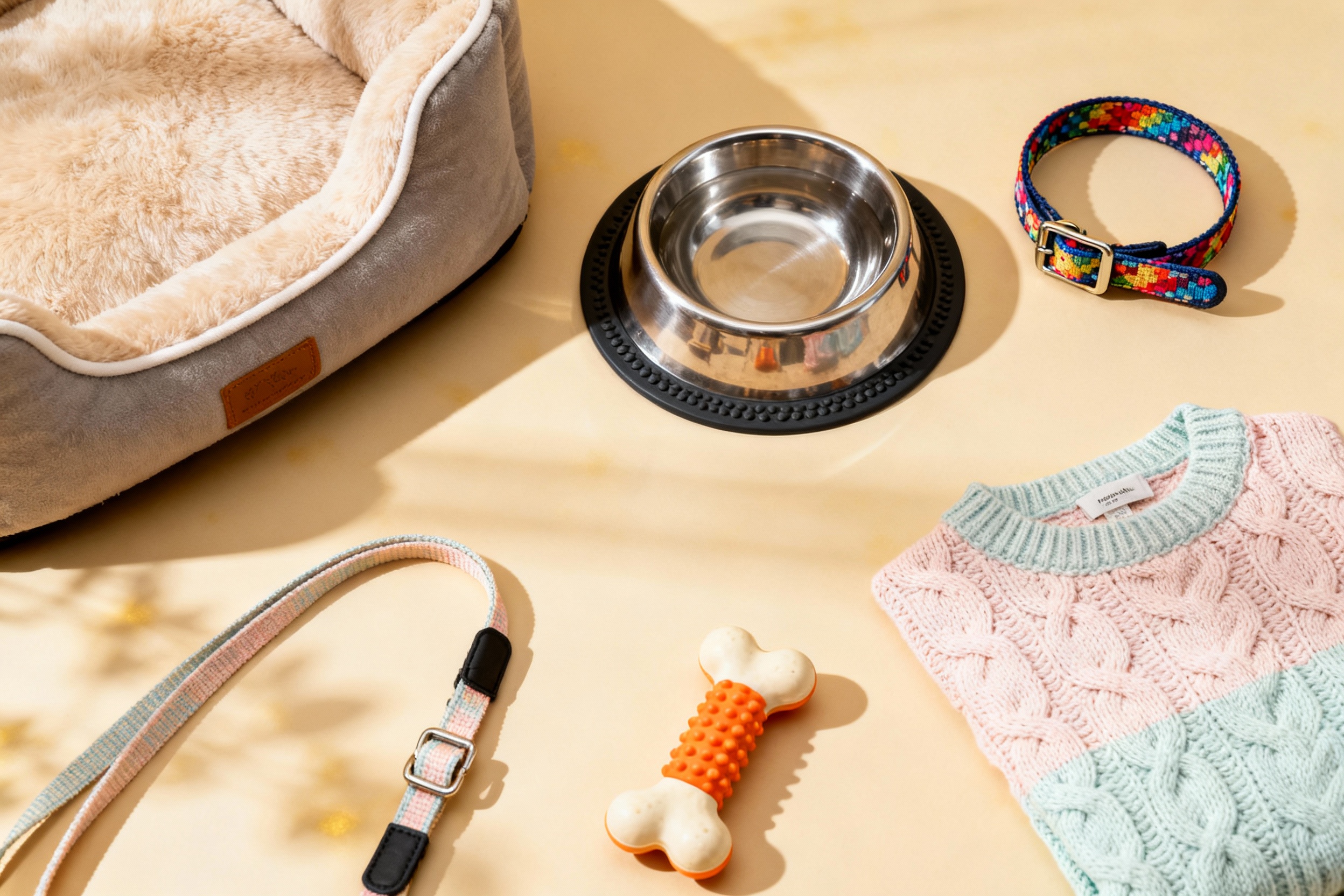
Gather Puppy Essentials
Have everything ready before pickup so you don’t panic-buy at 11 p.m.
Must-haves include:
- Crate (with divider if your pup will grow big).
- Food and water bowls.
- Puppy food (ideally the same brand they’re already eating).
- Collar, leash, and ID tag.
- Potty pads and poop bags.
- Chew toys (unless you want your sneakers destroyed).
The Car Ride Home
Ah, the first car ride. Cute in theory, chaotic in reality.
- Bring someone to hold the puppy while you drive.
- Use a crate or a puppy seatbelt harness for safety.
- Keep a towel handy for accidents.
And don’t be surprised if your pup gets carsick. Mine threw up on the first ride and then fell asleep in my lap like nothing happened. Puppies: unpredictable little gremlins.
Arrival at Home: Keep It Calm
You’ll be tempted to introduce your pup to every neighbor, friend, and relative immediately. Resist. The first few hours should be low-key.
Let Them Explore Slowly
Open the door, set them down, and let them sniff around. Don’t overwhelm them by chasing or crowding.
Introduce the Potty Spot Immediately
Take your pup straight to the potty area (yard or pad) before exploring. Praise like crazy when they go. This sets the stage for potty training success.
🧠 Want a smarter, easier way to train your dog?
👉 Try Brain Training For Dogs – a proven method to stop bad behavior by boosting your dog’s intelligence.
Create a Safe Space
Your puppy needs a spot that’s theirs. Enter: the crate.
Set Up the Crate
- Put it in a quiet but not isolated area.
- Add soft bedding (unless they’re shredders).
- Toss in a toy or chew.
First Impressions Matter
Don’t just shove them inside and shut the door. Encourage them to enter with treats, leave the door open, and let them come and go freely at first.
Remember: crate = cozy den, not punishment.
Feeding in the First 24 Hours
Food is love for puppies. But big meals after a stressful day can upset their tummies.
Stick to Their Current Diet
Switching food too quickly = diarrhea (ask me how I know). Use the same brand the breeder or shelter gave you for now.
Small, Frequent Meals
Puppies eat more often than adult dogs. Feed them 3–4 times a day.
And yes, they’ll act like they’re starving every time. No, they don’t actually need 10 treats in one sitting.
Bonding Time
This is when the fun starts—you’re not just a food dispenser; you’re building trust.
Gentle Play and Cuddles
- Use toys, not hands, for play (unless you like tiny teeth marks).
- Keep sessions short—pups tire fast.
Name Recognition
Start saying their name in a happy voice, then reward them when they look at you. Simple, but powerful.
Potty Training in the First 24 Hours
Potty training starts immediately. No grace period.
Golden rules:
- Take your puppy out every 1–2 hours.
- Always go after meals, naps, and play.
- Praise and reward instantly when they go outside.
Ever wondered why accidents happen right after you come inside? It’s because puppies don’t have full control yet. Be patient. Keep the paper towels stocked.
First Nap & Alone Time
You’ll want to hold your puppy 24/7, but they need downtime.
Encourage Crate Naps
- Put them in the crate after play and potty.
- Use a toy or chew to make it positive.
- Don’t rush to open the crate if they whine—wait for quiet.
It feels cruel at first, but trust me, teaching them to self-soothe is a lifesaver later.
First Night at Home
Here’s where things get real. Puppies aren’t known for their stellar sleeping habits.
Nighttime Setup
- Keep the crate in your bedroom so they feel secure.
- Set an alarm for a potty break halfway through the night.
- Keep lights and noise low—potty only, no playtime.
Be prepared for whining. Lots of it. I once sat on the floor next to my puppy’s crate for half the night just so she’d settle. Exhausting? Yes. Worth it? Also yes.
Introductions to Family & Other Pets
Timing matters here.
Meeting People
Limit visitors. Too many new faces in one day = overstimulation meltdown.
Meeting Other Pets
- Do introductions on neutral ground if possible.
- Keep it short and supervised.
- Reward calm behavior from both sides.
Your cat may not forgive you for a week (or ever). Totally normal.
Vet Check & Health Basics
You don’t need to rush to the vet at midnight, but schedule a checkup within a couple of days.
What to Bring
- Vaccination records.
- Any paperwork from the breeder or shelter.
First-Night Health Watch
Keep an eye on:
- Eating and drinking habits.
- Stool consistency (gross but important).
- Signs of stress like excessive whining or lethargy.
Setting the Tone for Training
You don’t need a full obedience course on day one, but tiny habits matter.
Teach Basic Boundaries
- Don’t let them chew furniture unchecked.
- Redirect bad behavior to toys.
- Reward good choices right away.
IMO, this is when you’ll realize puppies are equal parts angel and tiny dictator. 🙂
Common Mistakes in the First 24 Hours
Want to make life harder? Do these (kidding, don’t):
- Too much freedom: Puppies + unsupervised roaming = disaster.
- Skipping crate intro: Makes crate training harder later.
- Overwhelm with visitors: Puppy burnout is real.
- Punishing accidents: They don’t know better yet. Teach, don’t scold.
Final Thoughts
The first 24 hours with a new puppy are messy, exciting, and honestly, a little exhausting. You’ll question yourself, you’ll get peed on (probably more than once), and you’ll fall asleep on the couch at 3 a.m. But you’ll also look at that tiny fluff ball and realize—yep, totally worth it.
If you keep things calm, set up a safe space, start potty training right away, and focus on bonding, you’ll lay the foundation for a happy, well-adjusted pup.
And hey, don’t stress if it’s not perfect. Puppies don’t come with manuals—but at least now, you’ve got a cheat sheet. 🐾
Ready to Go Deeper?
Want a smarter, more effective way to train your dog—and eliminate bad behaviors like chewing, barking, or jumping?
🎓 Try Brain Training For Dogs – a science-based program designed to boost your dog’s intelligence and create a well-behaved, calm companion.
🟢 100% online
🟢 Easy to follow
🟢 Works for all breeds & ages👉 Click here to start transforming your dog today!





Leave a Reply