You leave the house, grab your keys, and boom—your dog goes into meltdown mode. Whining, pacing, maybe even destroying your favorite shoes. (True story: my Lab once ate the entire corner of my couch during a 20-minute trip to the grocery store. RIP, couch.)
Sound familiar? If your dog has separation anxiety, you already know it’s not just tough on them—it’s stressful for you too. But here’s the good news: you can absolutely help your pup feel calmer when you’re gone. Let’s talk about why dogs struggle with alone time and the proven ways you can fix it.
What Exactly Is Separation Anxiety in Dogs?
In plain English, separation anxiety = panic mode when you’re not home. Your dog isn’t “being bad” out of spite; they’re legit freaking out.
Typical signs include:
- Non-stop barking or whining when left alone
- Chewing furniture, doors, or anything within reach
- Pacing like they’re training for a marathon
- Accidents in the house (even if fully potty trained)
- Trying to escape—scratching at doors, digging, etc.
Basically, your dog thinks your absence is the apocalypse. Not fun for anyone.
Step 1: Rule Out Other Causes
Before you label it separation anxiety, make sure nothing else is going on.
- Boredom: Sometimes dogs just need more mental stimulation.
- Medical issues: Peeing indoors could be a bladder infection, not stress.
- Lack of training: Puppies often cry or bark when left alone because they haven’t learned independence yet.
Ever notice how sometimes what looks like anxiety is just an under-exercised pup? Been there. My dog once “diagnosed” himself with separation anxiety when he actually just needed a long walk and a frozen Kong.
🧠 Want a smarter, easier way to train your dog?
👉 Try Brain Training For Dogs – a proven method to stop bad behavior by boosting your dog’s intelligence.
Step 2: Start Small with Alone-Time Training
Here’s the golden rule: don’t throw your dog into the deep end.
Instead, teach them that being alone = safe and even enjoyable.
How to Do It:
- Practice leaving the room for just 1–2 minutes.
- Come back calmly (no dramatic “Mommy’s home!” moments).
- Gradually increase the time you’re gone—5 minutes, 10, 20, etc.
- Always reward calm behavior when you return.
Think of it like gym training—you wouldn’t start with 200 lbs on day one, right? Same idea here.
Step 3: Create a “Safe Zone”
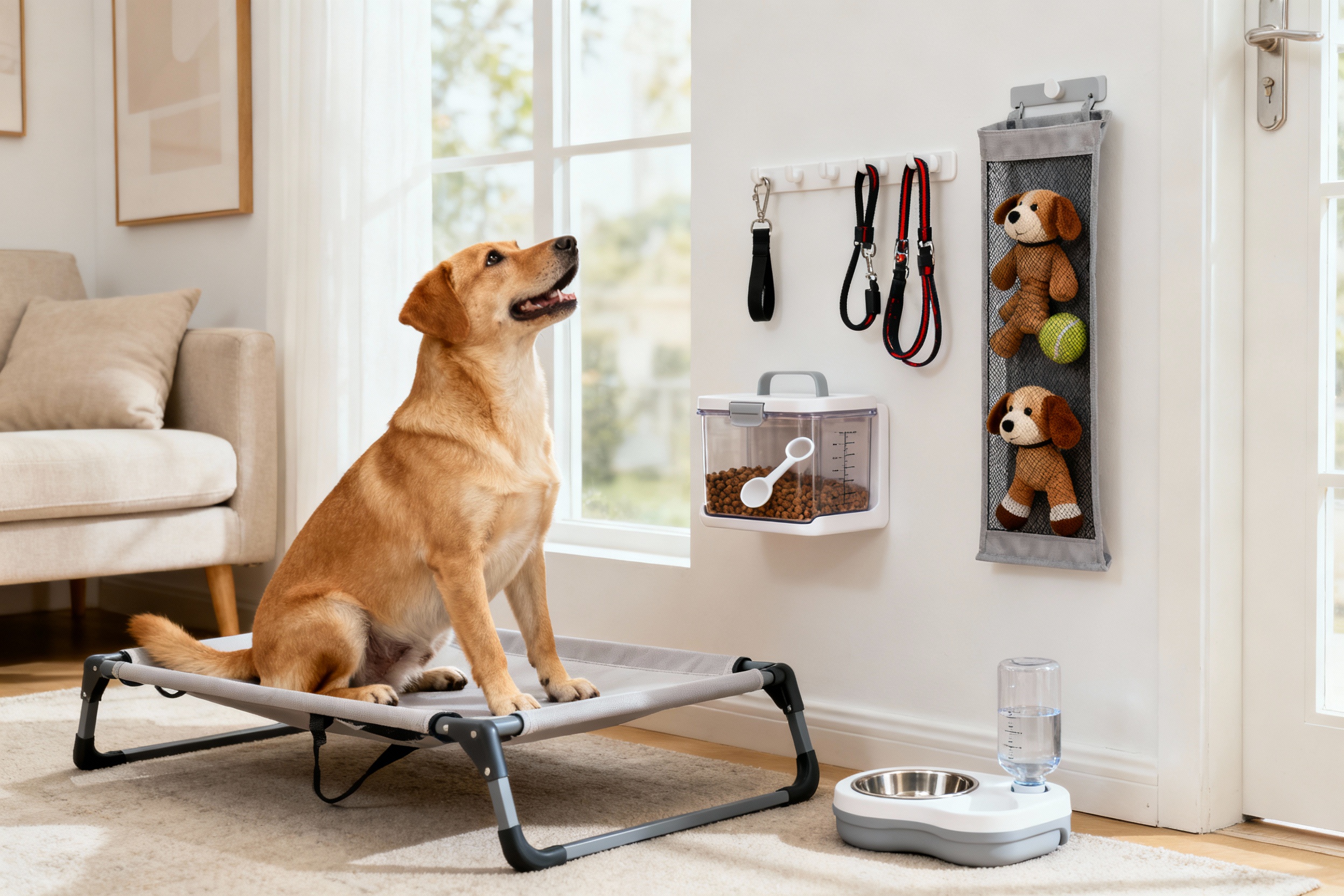
Dogs with anxiety often feel calmer when they have their own little sanctuary.
- Crate training: Many dogs love their crate when introduced properly. It’s like their bedroom.
- Playpen or gated area: Great for dogs who prefer more space.
- Comfort items: Toss in a blanket, favorite toy, or even a shirt that smells like you.
My dog calmed down dramatically when I put his bed in a quiet corner with a chew toy. It’s like he finally realized the house wasn’t haunted when I left.
Step 4: Keep Them Busy When You Leave
Boredom and anxiety are besties, and that’s bad news for your furniture.
Try These:
- Food puzzles: Stuffed Kongs, lick mats, or treat-dispensing balls.
- Chews: Bully sticks, antlers, or dental chews.
- Interactive toys: Some even use timers to keep your dog entertained for hours.
FYI, I once filled a Kong with peanut butter, froze it overnight, and handed it over before leaving. My dog was so into it he didn’t even notice me leave. Small victories!
Step 5: Exercise Before You Go
Here’s a secret: a tired dog rarely stresses out.
Take your dog for a solid walk, play fetch, or do a quick training session before leaving. Burn off that energy so they can relax instead of pacing and whining.
Honestly, this works like a charm. Ever tried working from home with a hyper dog staring at you like, “What’s next?” Yeah, no thanks. Exercise = peace.
Step 6: Stay Calm at Goodbyes and Hellos
Dogs pick up on your energy. If you act like leaving is a big deal, they will too.
- When you leave: Keep it casual. A simple “See you later” works better than a dramatic hug session.
- When you return: Ignore your dog for a few minutes until they calm down. Then give affection.
I know—it feels harsh. But trust me, this helps your dog learn that your comings and goings aren’t the end of the world.
Step 7: Use Training Commands to Build Confidence
Teach your dog commands that make them feel safe and secure.
- “Stay” practice: Helps them learn patience when you move around the house.
- “Place” command: Train them to relax on a mat or bed.
- Confidence-building games: Nose work, hide-and-seek, or trick training.
Think of it as therapy disguised as fun. Ever noticed how proud dogs look after mastering a trick? That confidence carries over into alone-time.
Step 8: Try Calming Aids
Sometimes, dogs need a little extra help. No shame in that.
- Calming chews or treats: Many contain ingredients like chamomile or melatonin.
- Adaptil diffusers: Release dog-calming pheromones (sounds fancy, works surprisingly well).
- Weighted blankets or anxiety wraps: Like a hug for your pup.
- Background noise: White noise, calming music, or even the TV.
IMO, Adaptil diffusers were a game-changer in my house. My dog went from whining at the door to actually napping when I left.
Step 9: Don’t Reinforce the Anxiety
Here’s where many of us mess up (guilty ✋).
- If your dog barks or whines when you leave, don’t rush back in immediately.
- If they panic, wait for a calm moment before giving attention.
- Never punish anxious behavior—it makes things worse.
It’s like if you were scared of spiders and someone yelled at you for screaming. Would that help? Nope. Same logic here.
Step 10: When to Call in the Pros
Sometimes, separation anxiety runs deep. If your dog destroys your house, injures themselves, or never improves, get professional help.
- Certified dog trainers: Look for positive reinforcement methods.
- Veterinary behaviorists: They can suggest meds if needed.
- Doggy daycare or walkers: A good short-term solution for dogs who can’t handle long stretches alone.
I’ll be honest—getting professional help was the best decision for my friend’s anxious rescue dog. Within months, the difference was night and day. Sometimes you just need that extra support.
Quick Recap: Separation Anxiety Fix Toolkit
Here’s your cheat sheet for how to stop separation anxiety in dogs:
- Rule out boredom or health issues
- Start with short alone-time sessions
- Create a cozy safe zone
- Keep them busy with puzzles and chews
- Exercise before you leave
- Stay calm during exits and greetings
- Build confidence with training
- Try calming aids if needed
- Don’t accidentally reinforce the panic
- Call a pro if it gets extreme
See? Totally doable.
Final Thoughts
Separation anxiety feels overwhelming at first, but you don’t need to resign yourself to a lifetime of chewed-up shoes and guilt trips. With patience, consistency, and a few clever tricks, you can help your pup feel more relaxed when you leave.
Remember: progress beats perfection. Celebrate the little wins (like the first time your dog doesn’t cry when you step outside). Over time, those wins add up to a calmer, happier pup—and way less stress for you.
And hey, if my couch-destroying dog can learn to nap peacefully when I’m gone, yours can too. Trust me, your future self (and your furniture) will thank you.
Ready to Go Deeper?
Want a smarter, more effective way to train your dog—and eliminate bad behaviors like chewing, barking, or jumping?
🎓 Try Brain Training For Dogs – a science-based program designed to boost your dog’s intelligence and create a well-behaved, calm companion.
🟢 100% online
🟢 Easy to follow
🟢 Works for all breeds & ages👉 Click here to start transforming your dog today!





Leave a Reply